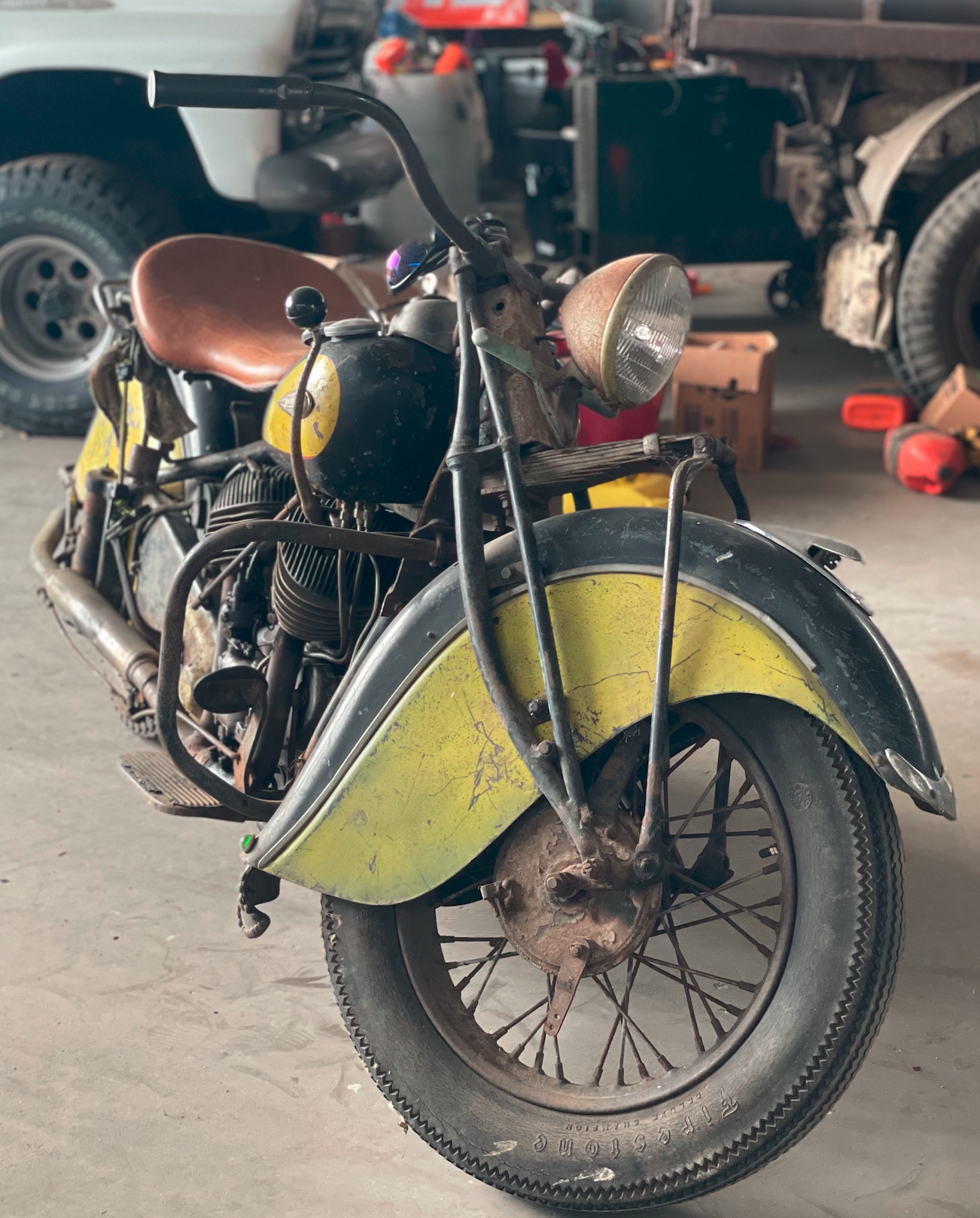
‘40 Chief
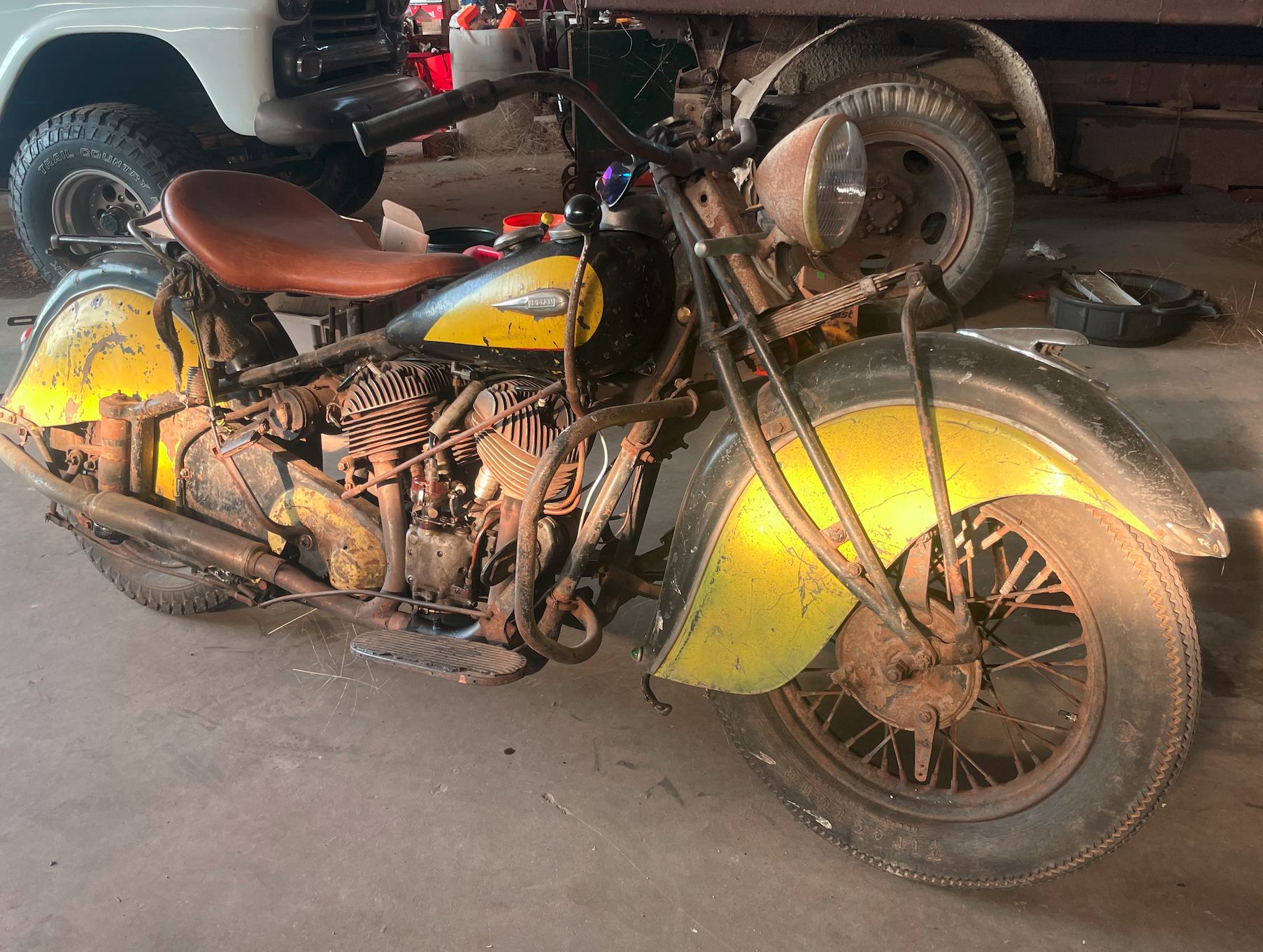
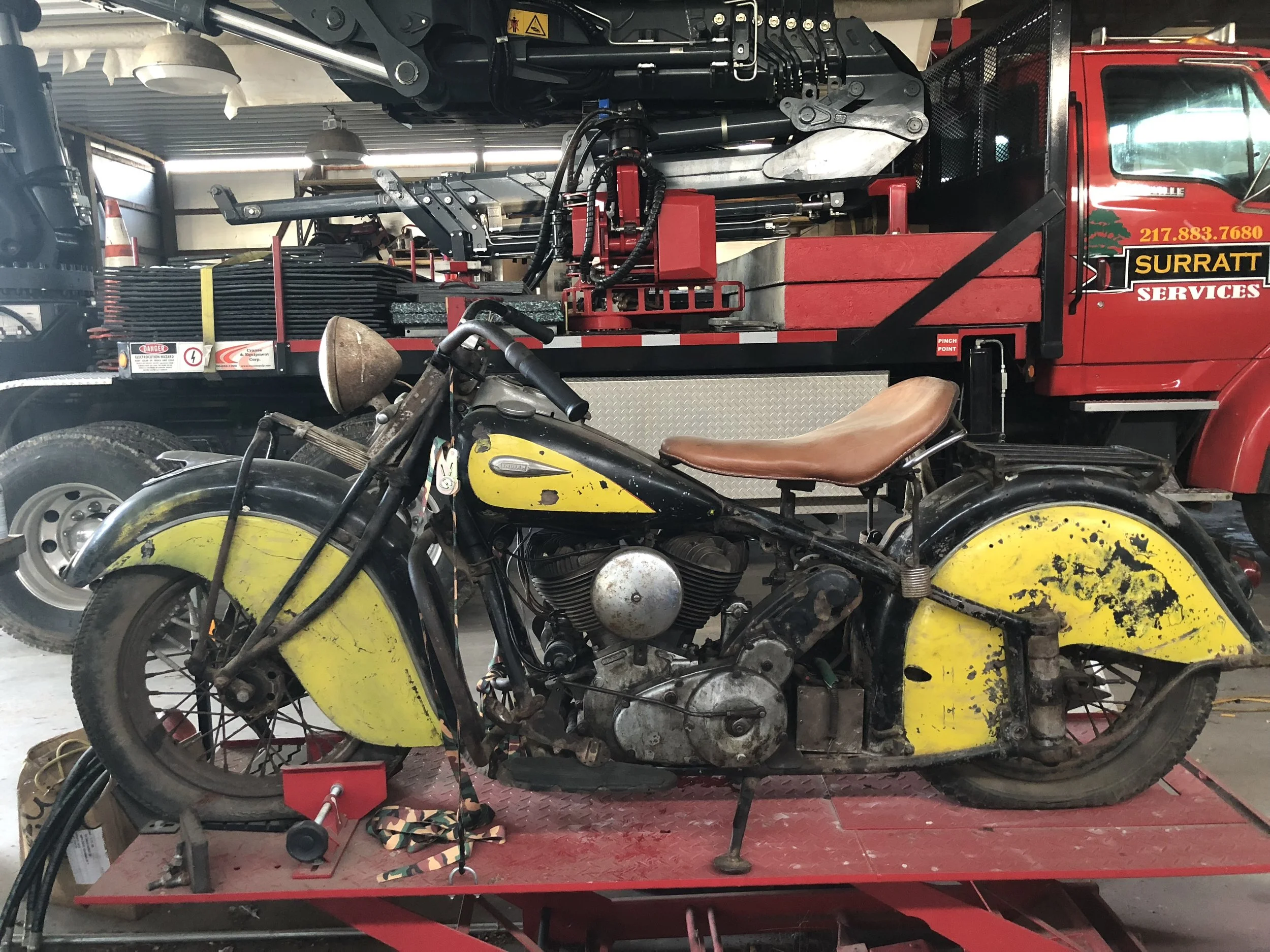
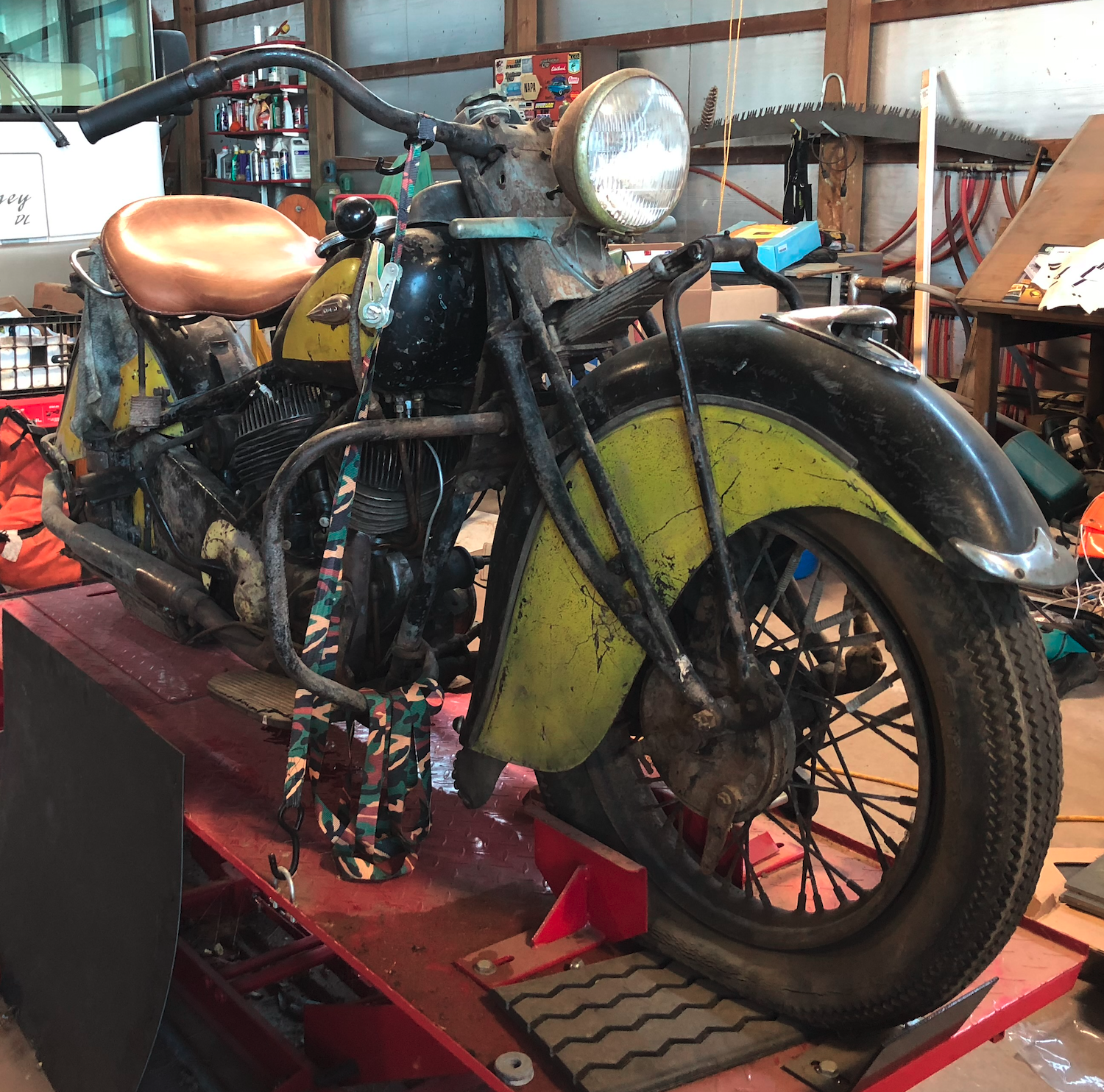
-
The Tip That Started It All…
It all began with tree work. Sam was clearing trees for Chuck Wubker when the conversation turned to the old cars scattered across Chuck’s farm — a ‘59 Pontiac wagon, a ‘57 Chevy, machines that hadn’t moved in decades. Walking back toward the work site, Sam’s boot caught on something half-buried: a Honda Monkey mini bike. A find in its own right.
Then came the question that changed everything: “You don’t have any other motorcycles, do you?” Chuck said no — but his brother John might. There was something up in a shed on the property, buried and forgotten for years. All Chuck could offer was “It’s an Indian.”
The Man Who Forgot He Had It
The bike belonged to John, Chuck’s brother. As kids, John and Chuck bought it for $50 and a shotgun, driving it home from a place locals called Scab Holler. Neither had ridden a motorcycle before. They taught themselves on the way home, dumped it once in the sand at the end of the lane, and eventually parked it in the shed with plans to repaint it and rebuild the motor.
Then life happened. The engine came out, a shirt got thrown over it, and the Indian sat untouched for the better part of the next six decades.
John went on to become a self-taught engineering mind — no high school diploma, but a career holding multiple patents and building custom in-ear audio pieces for major recording artists. He remembered almost everything about his life’s work. He’d completely forgotten about the motorcycle in the shed.
By the time Sam tracked him down and the bike resurfaced, John was fighting cancer and no longer able to walk out to see it himself. Visits meant to be about the Indian kept drifting into stories about tractors, clocks, and other projects — the bike itself went unseen for weeks. John always believed it was a 1937. Sam’s research on the frame and engine numbers told a different story: it was a 1940.
John passed away before he was well enough to help pull the bike out and rebuild it together, as he and Sam had planned. At the funeral, John’s wife, Linda, told Sam simply: you’re going to get that motorcycle. What followed was an agreement between them — some money changed hands, along with Sam’s promise of tree work and help around the property whenever it was needed. This was Linda’s decision alone to make, on John’s behalf.
Digging It Out
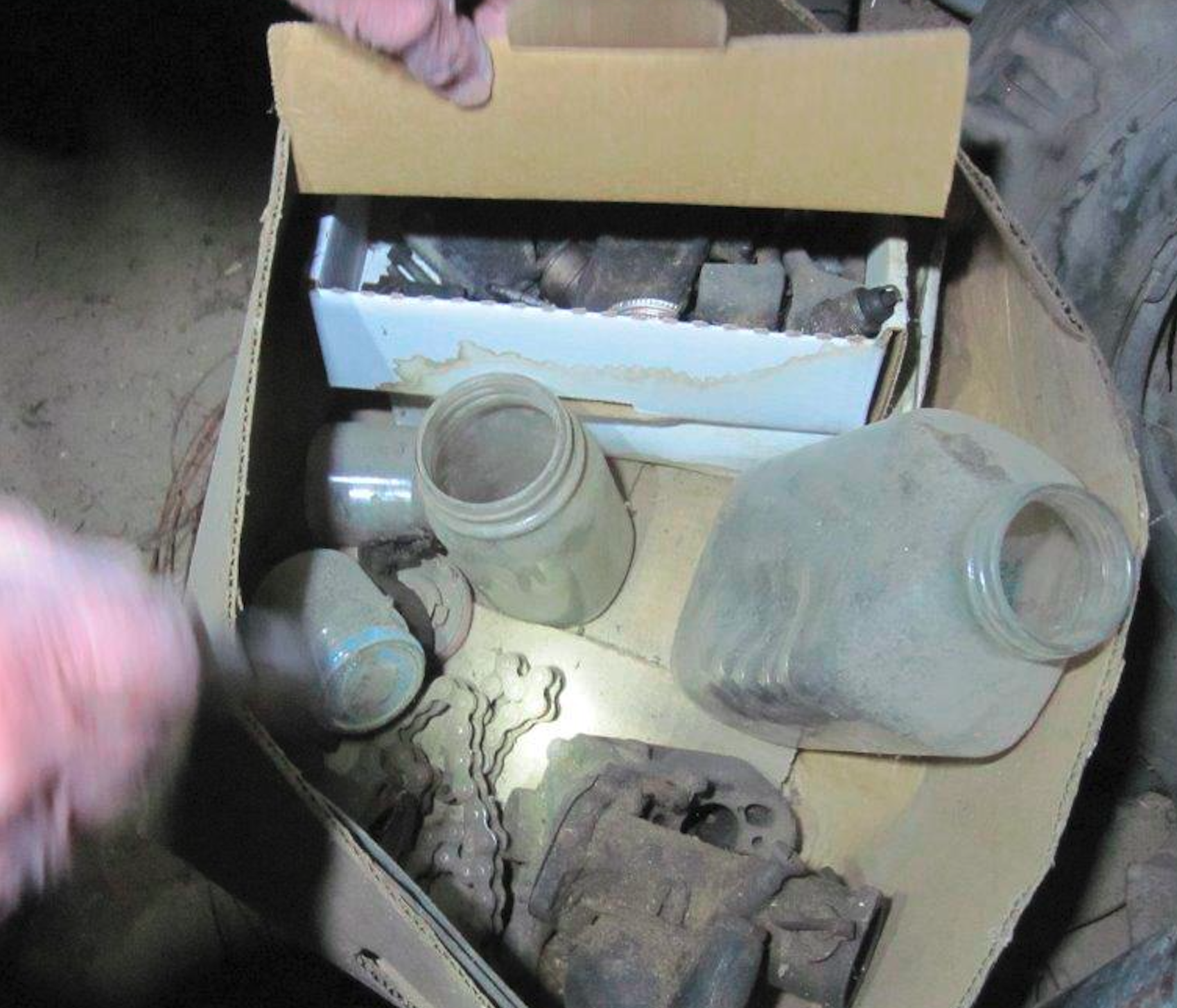
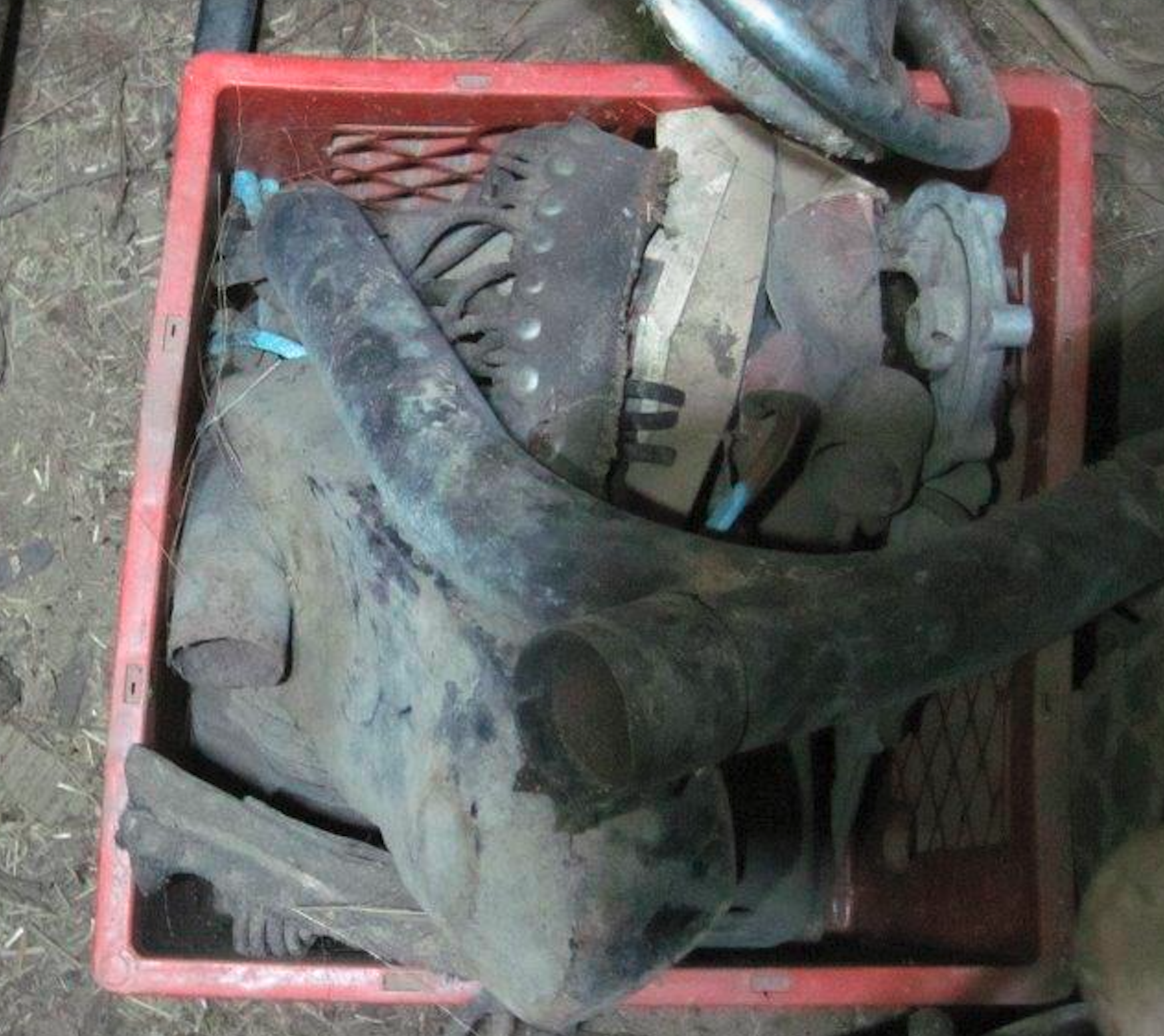
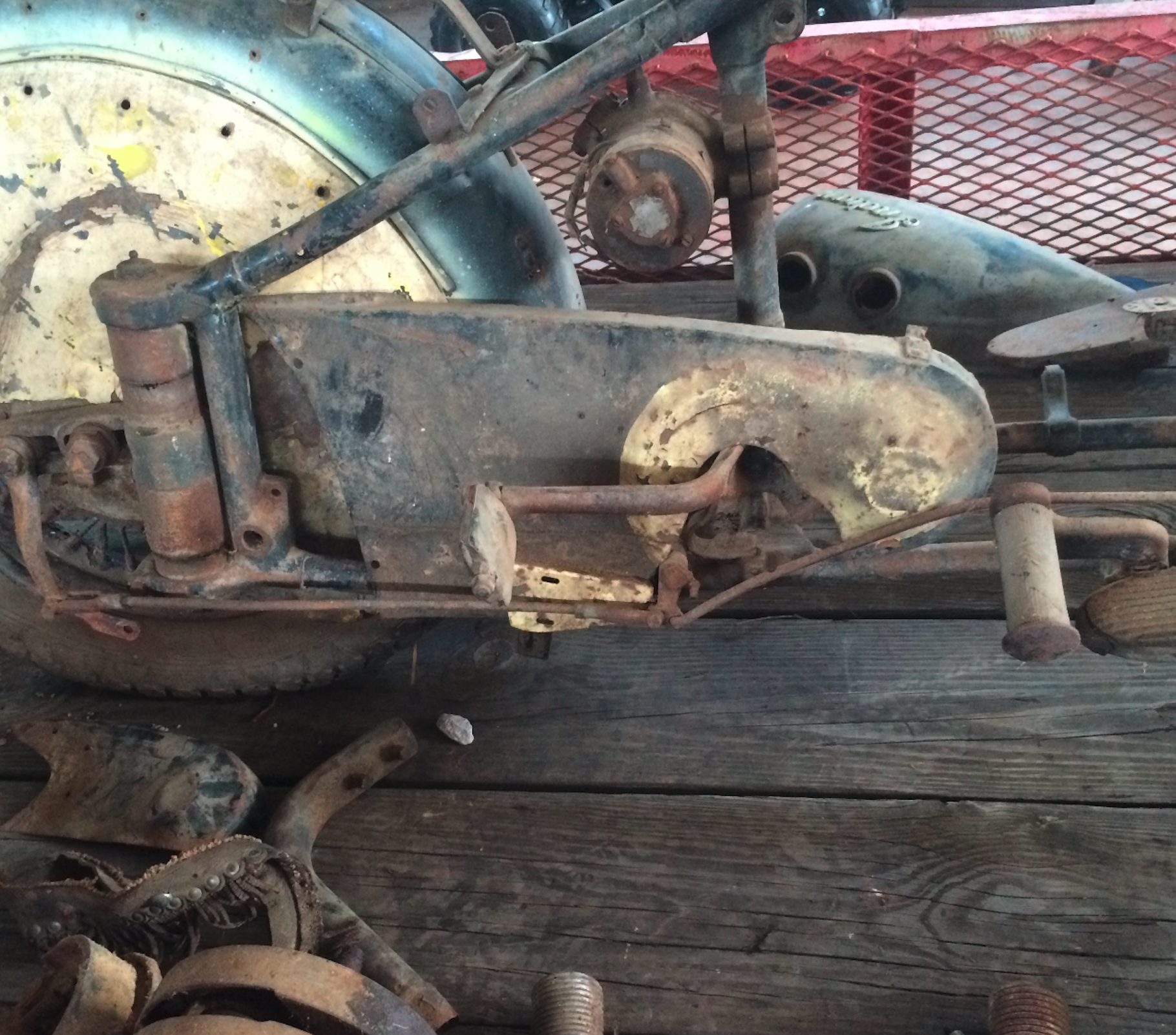
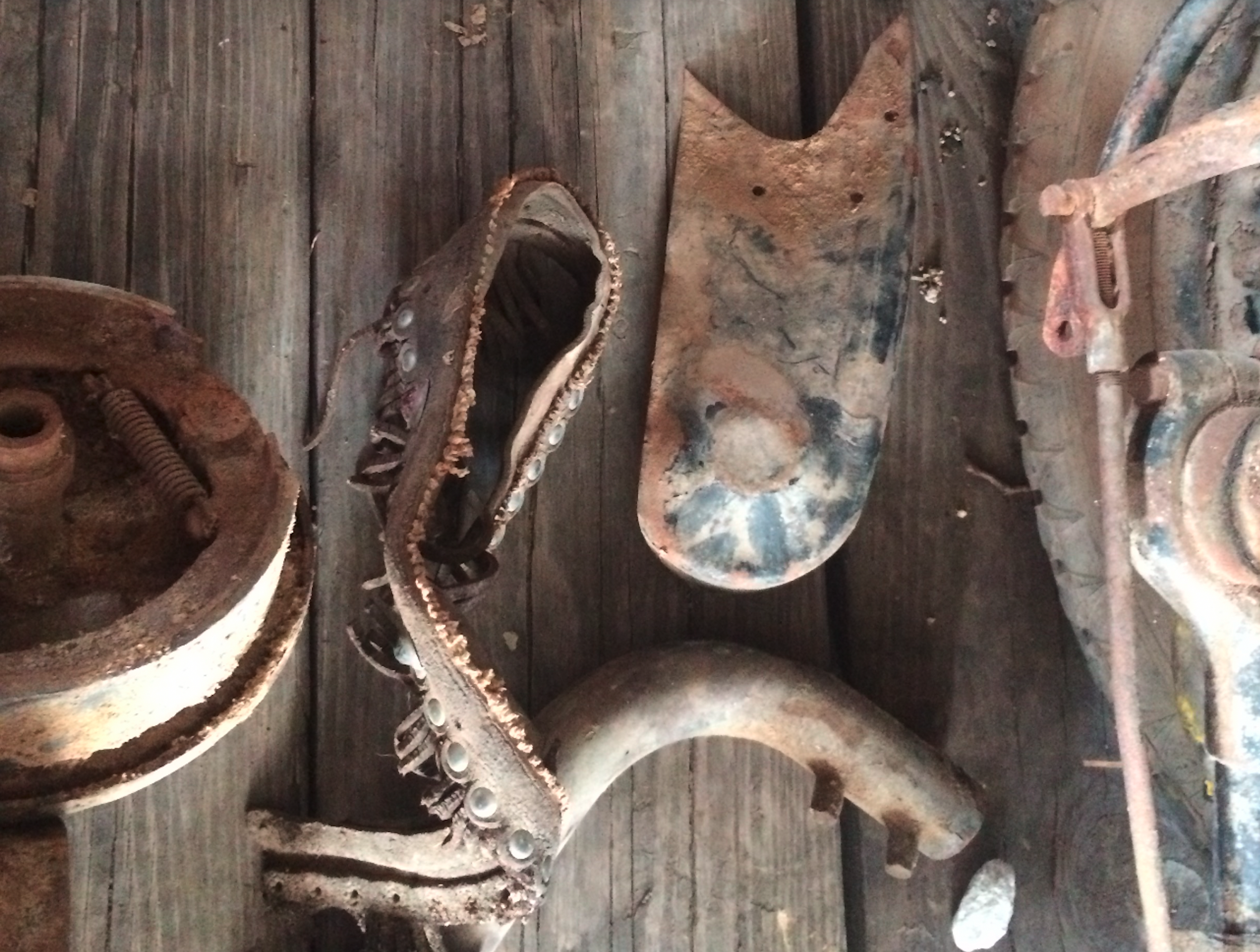
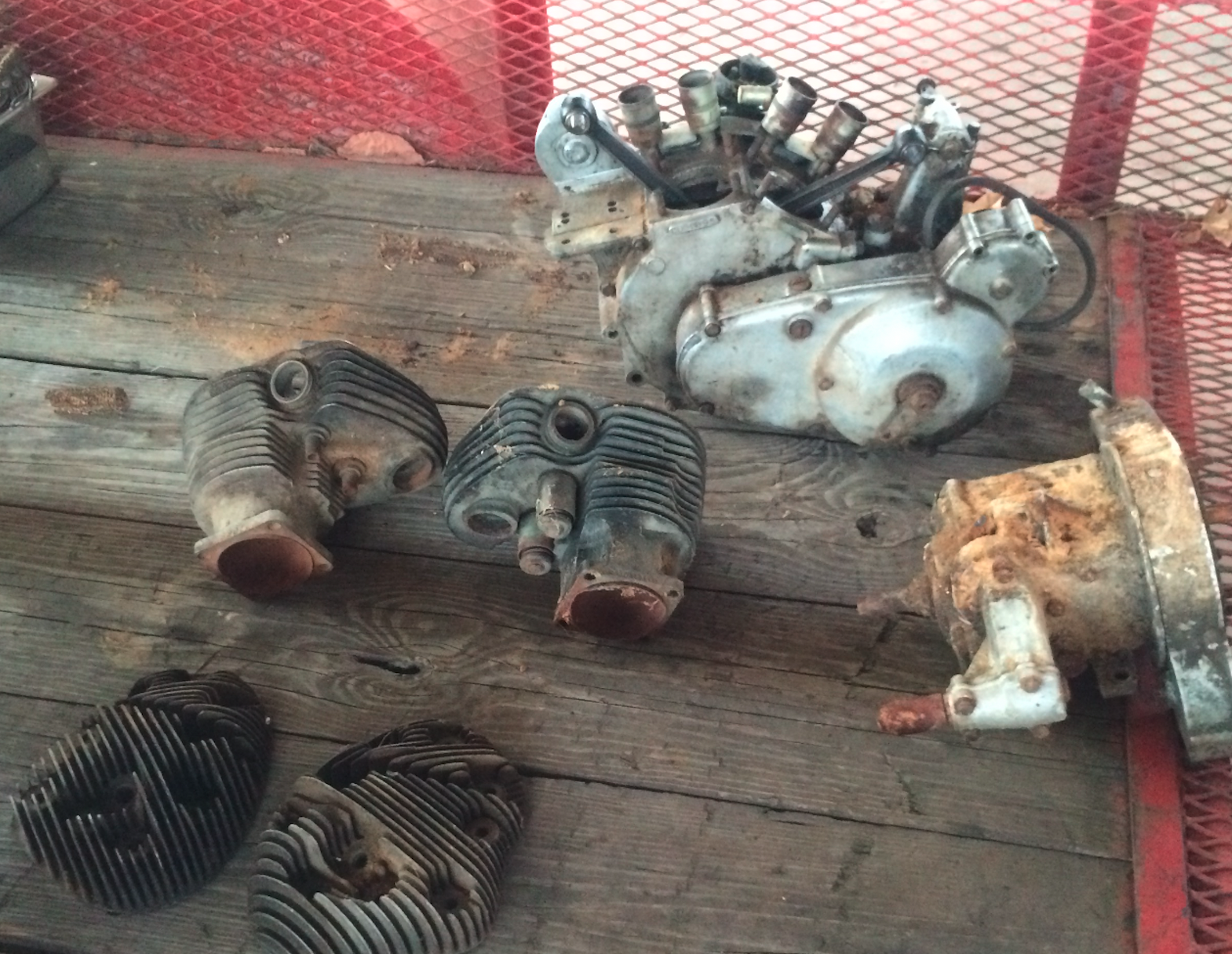
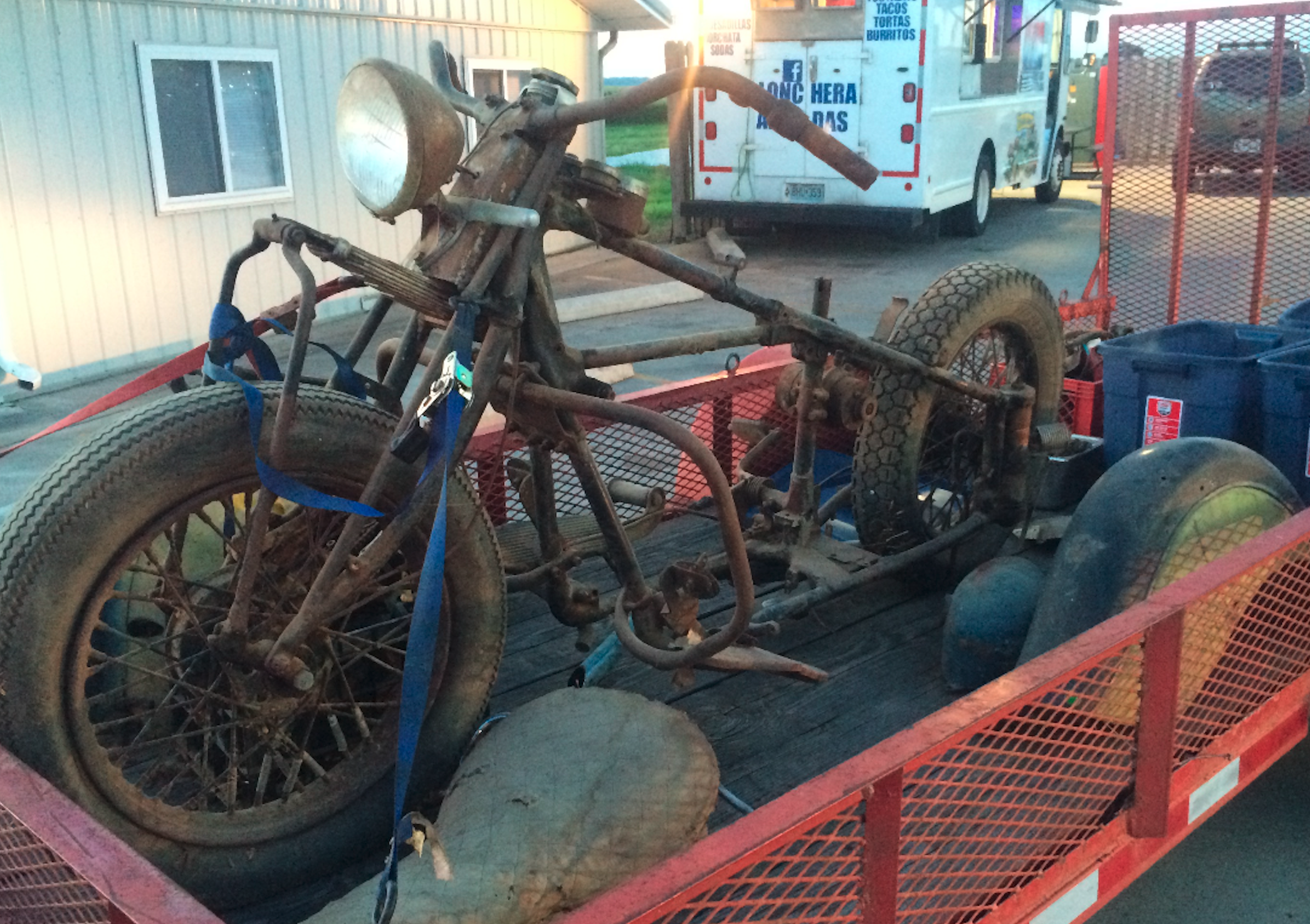
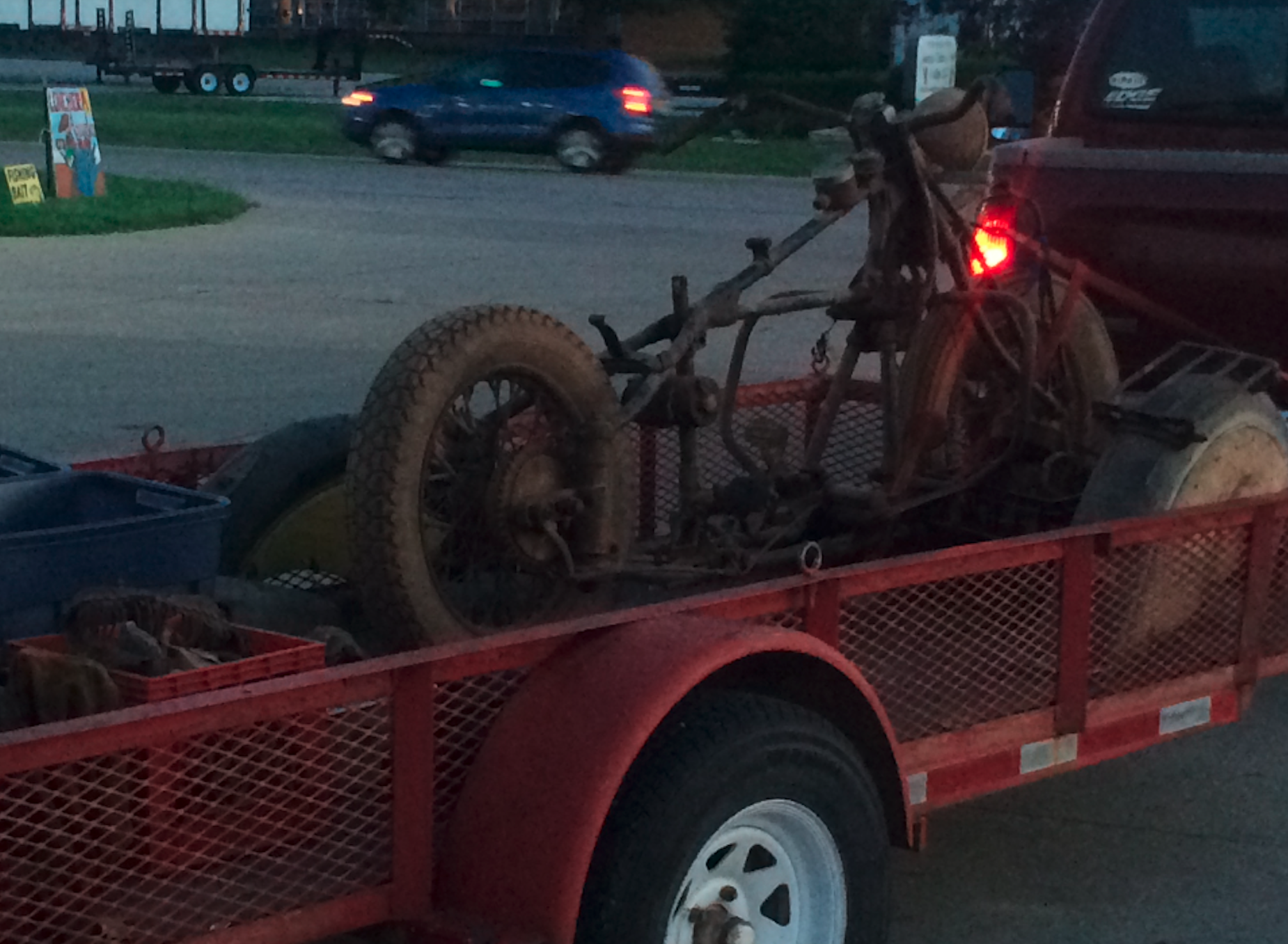
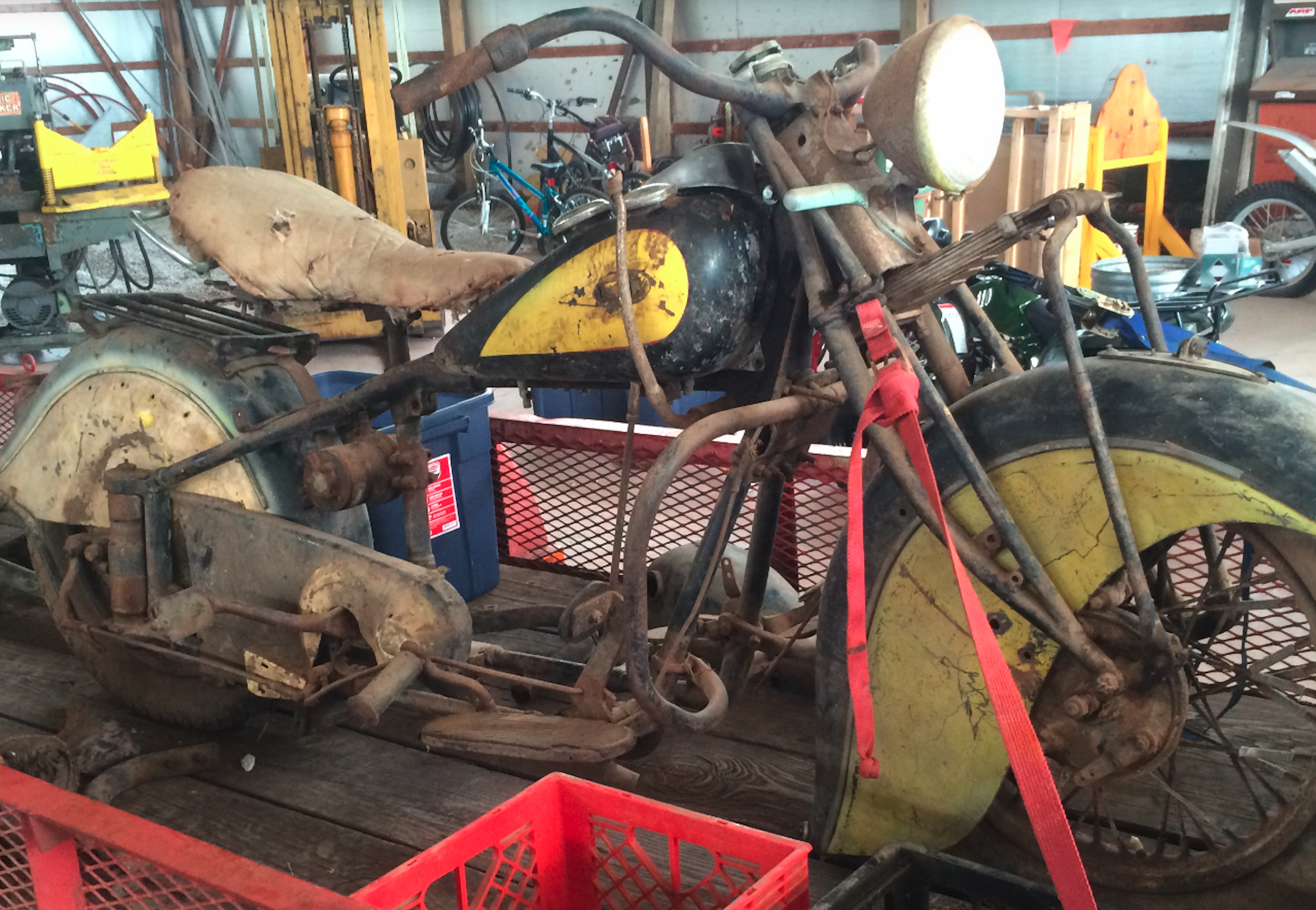
Recovering the Indian meant excavating it piece by piece from the shed — frame and rolling chassis in one corner, fenders leaned against a wall, engine parts and pieces boxed up nearby. Sam brought in Chuck and a friend, Doug, to help dig it out. Loaded onto a flatbed trailer, the disassembled bike covered the entire bed. Even in pieces, it was unmistakably something special.
On a whim, Sam drove the trailer straight into a local car show on the town square in Beardstown. Nobody in town knew this motorcycle existed. It stopped people in their tracks — and gave Linda and her daughters their first look at what had been sitting in the family shed all along.
What Made It Rare
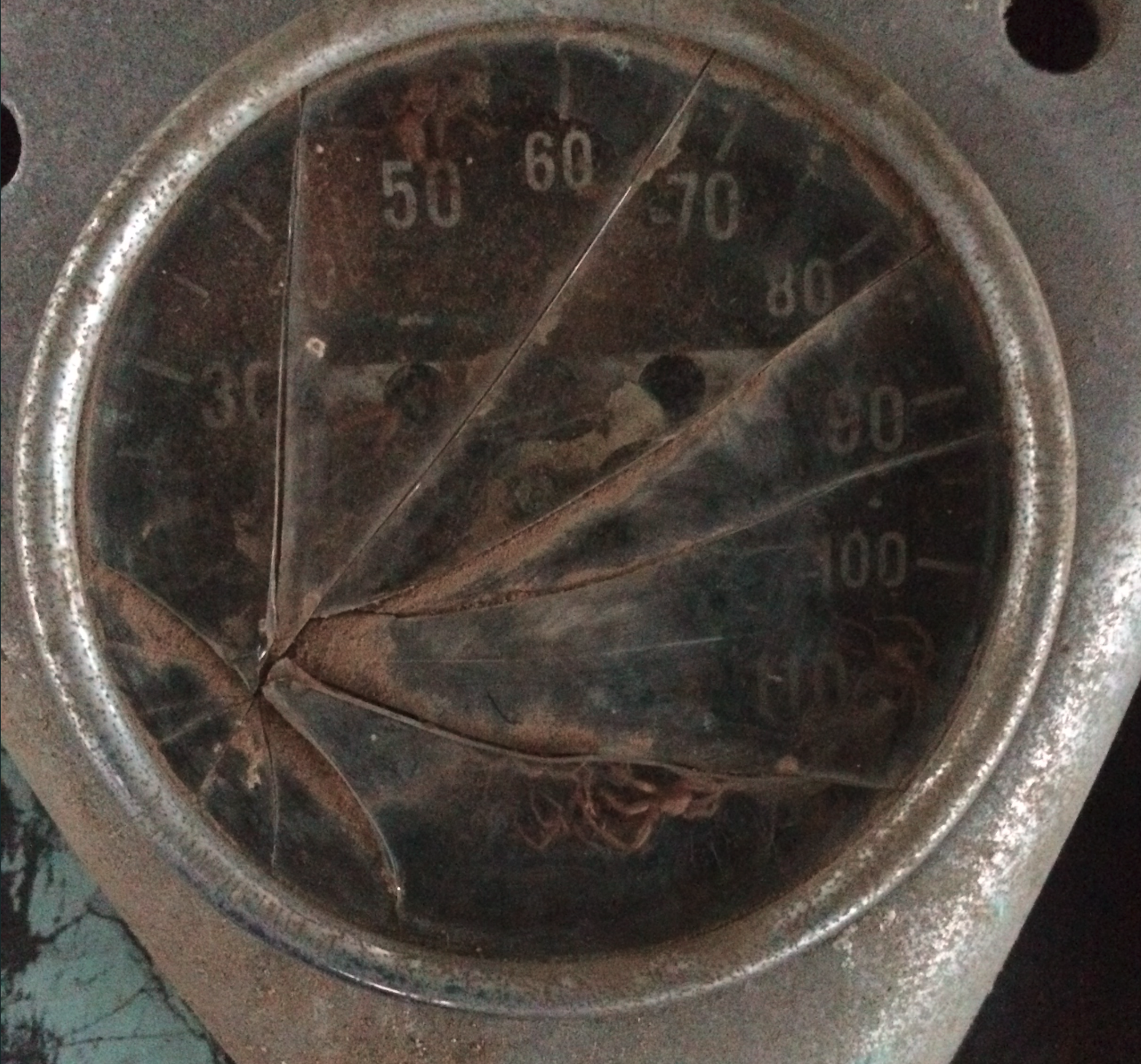
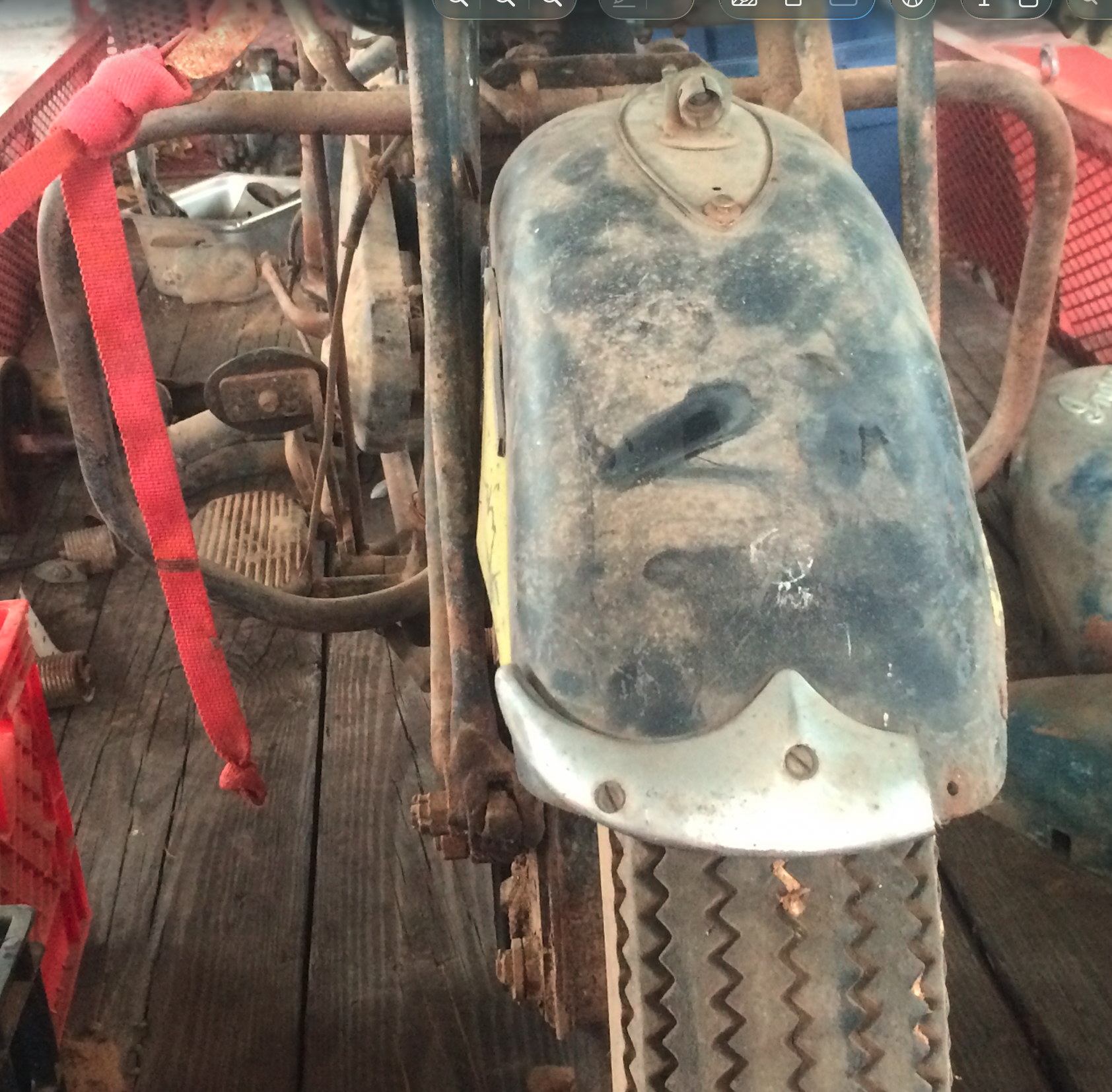
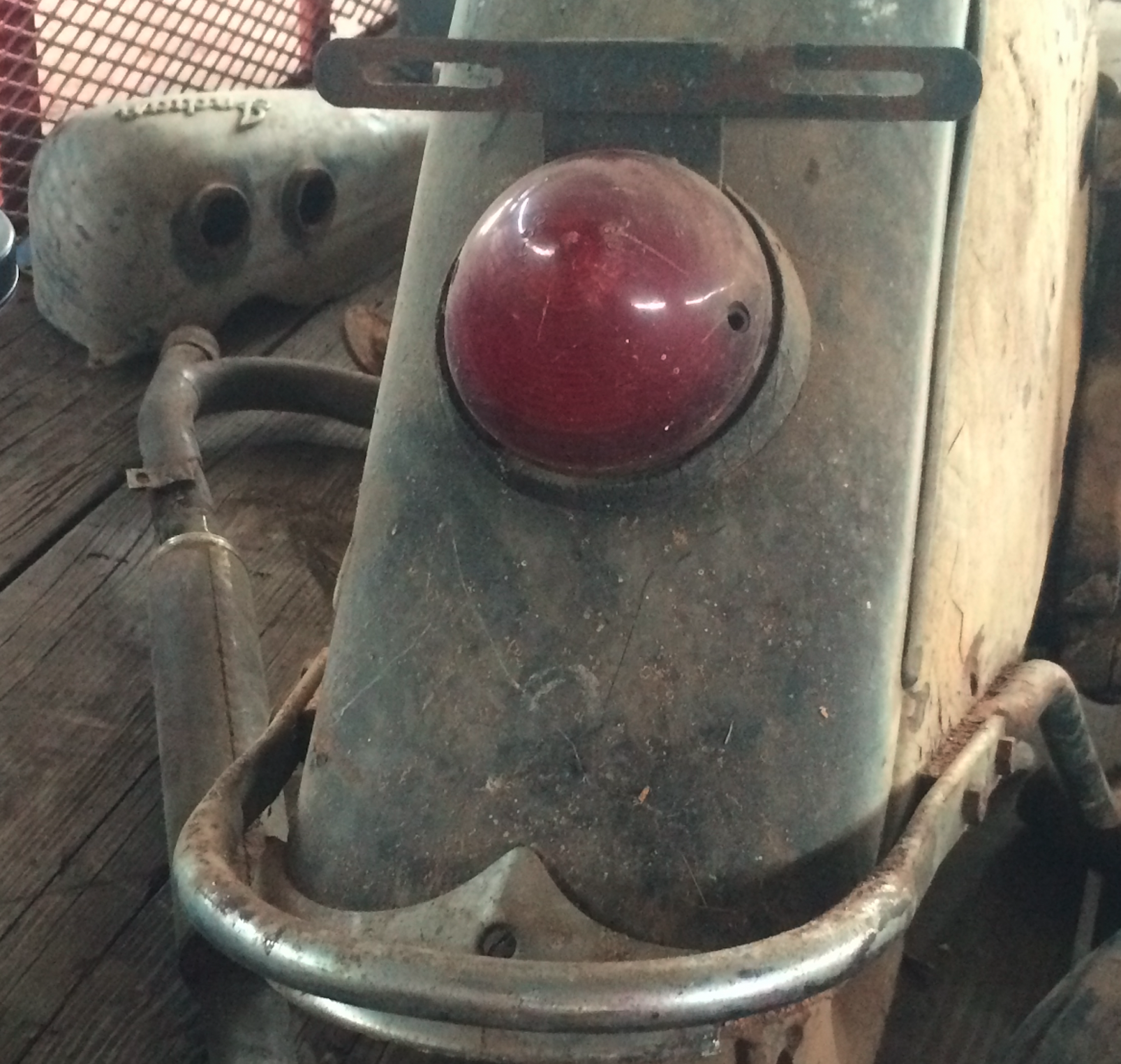
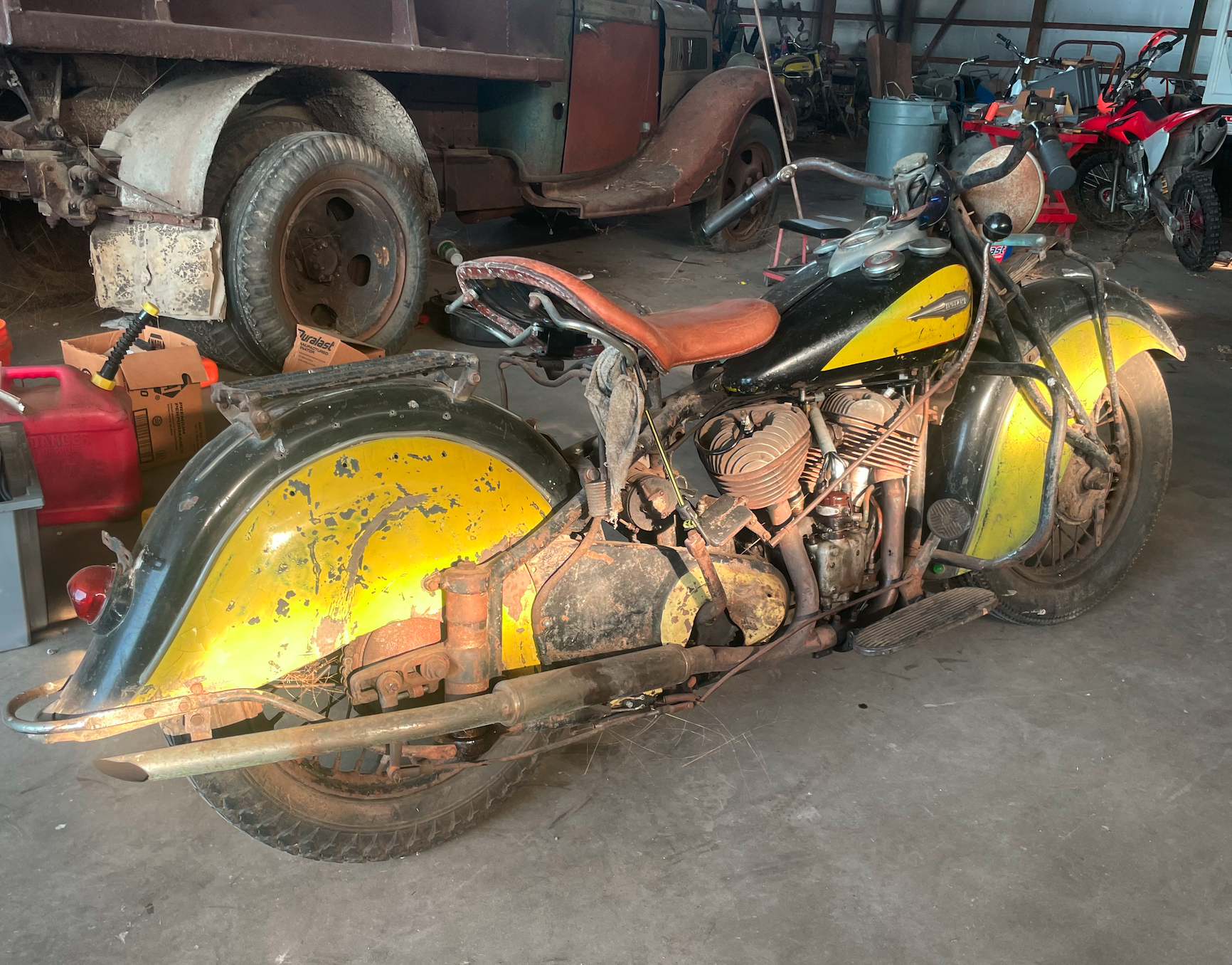
The 1940 Indian Chief is a distinctive year on its own: it’s the only model year with that particular speedometer, that rear brake arm design, that carburetor, and the deep-skirted front fender that became the Chief’s signature look.
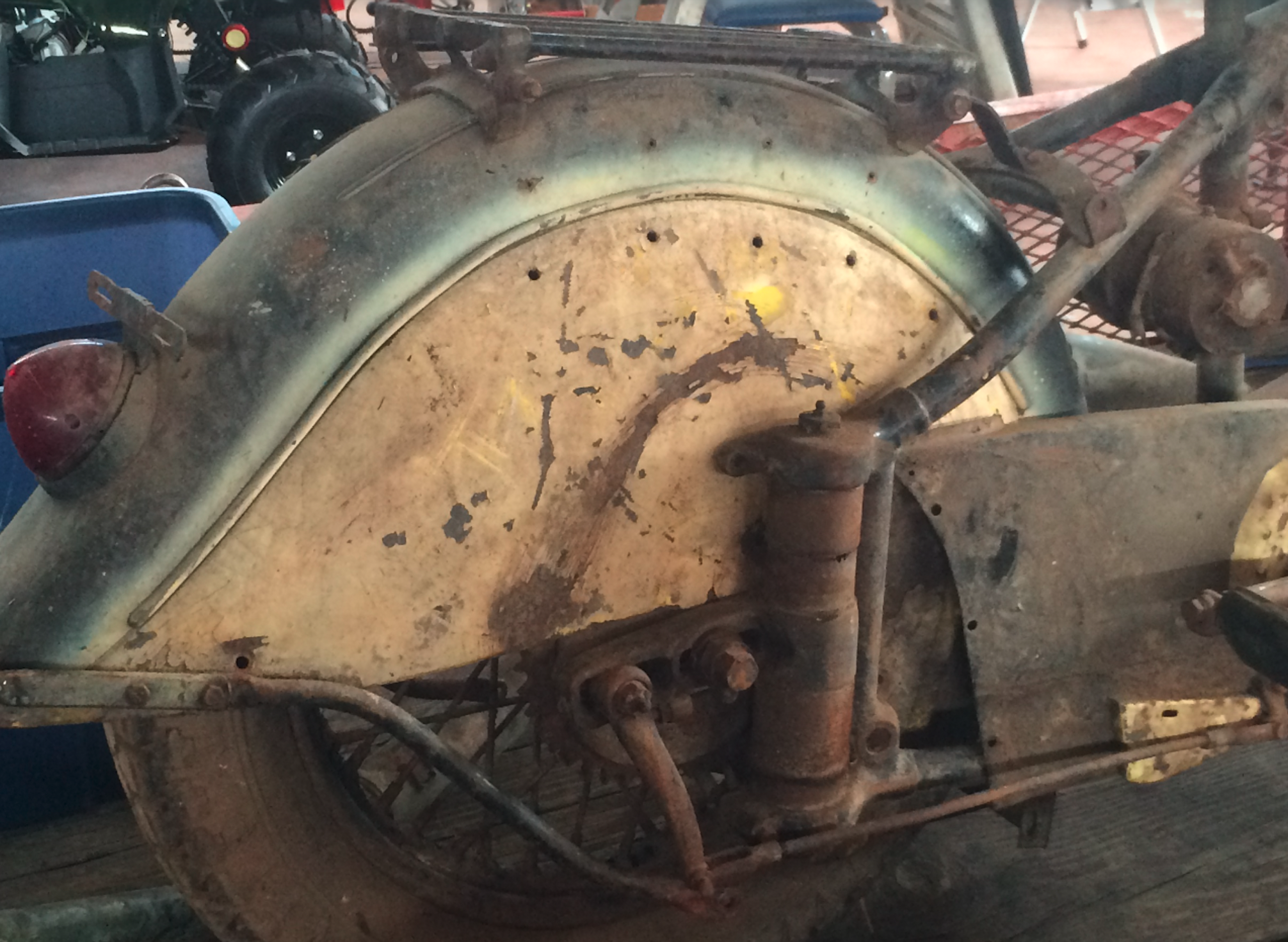
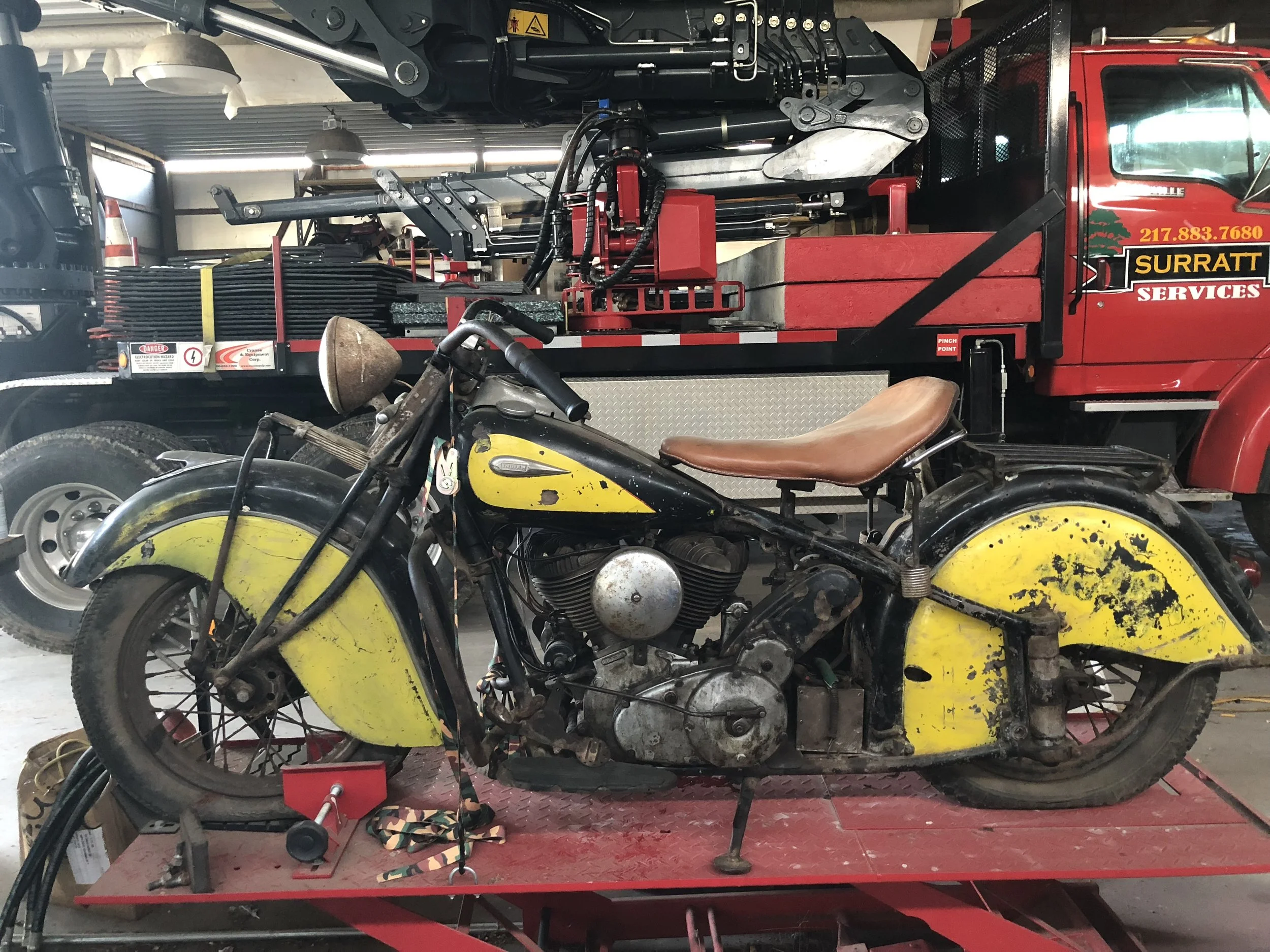
But this bike had something else. It was finished in yellow and black — and in 1940, Indian didn’t offer a factory two-tone paint scheme. Every Chief left the factory in a solid color; two-tone options wouldn’t appear until 1943. Special orders were technically possible through Indian’s relationship with DuPont, but on any two-tone bike, a hand-painted red pinstripe was used to separate the colors on the fuel tank, regardless of the color combination.
Indian specialists Sam consulted around the country were initially skeptical — until he showed them remnants of that red separation line, still visible on the tank. Their conclusion: as far as anyone could confirm, this is the only yellow-and-black 1940 Indian Chief known to exist.
A Time Capsule, Literally
The condition told its own story. The fuel tank, usually the first thing to rust through, was packed with old mouse nesting material — and decades of mice running through the tank had polished the interior to a shine, protecting it from corrosion. The dry, sandy floor of the shed pulled moisture into the surrounding woodpile instead of the bike. Both control cables were still free-moving.
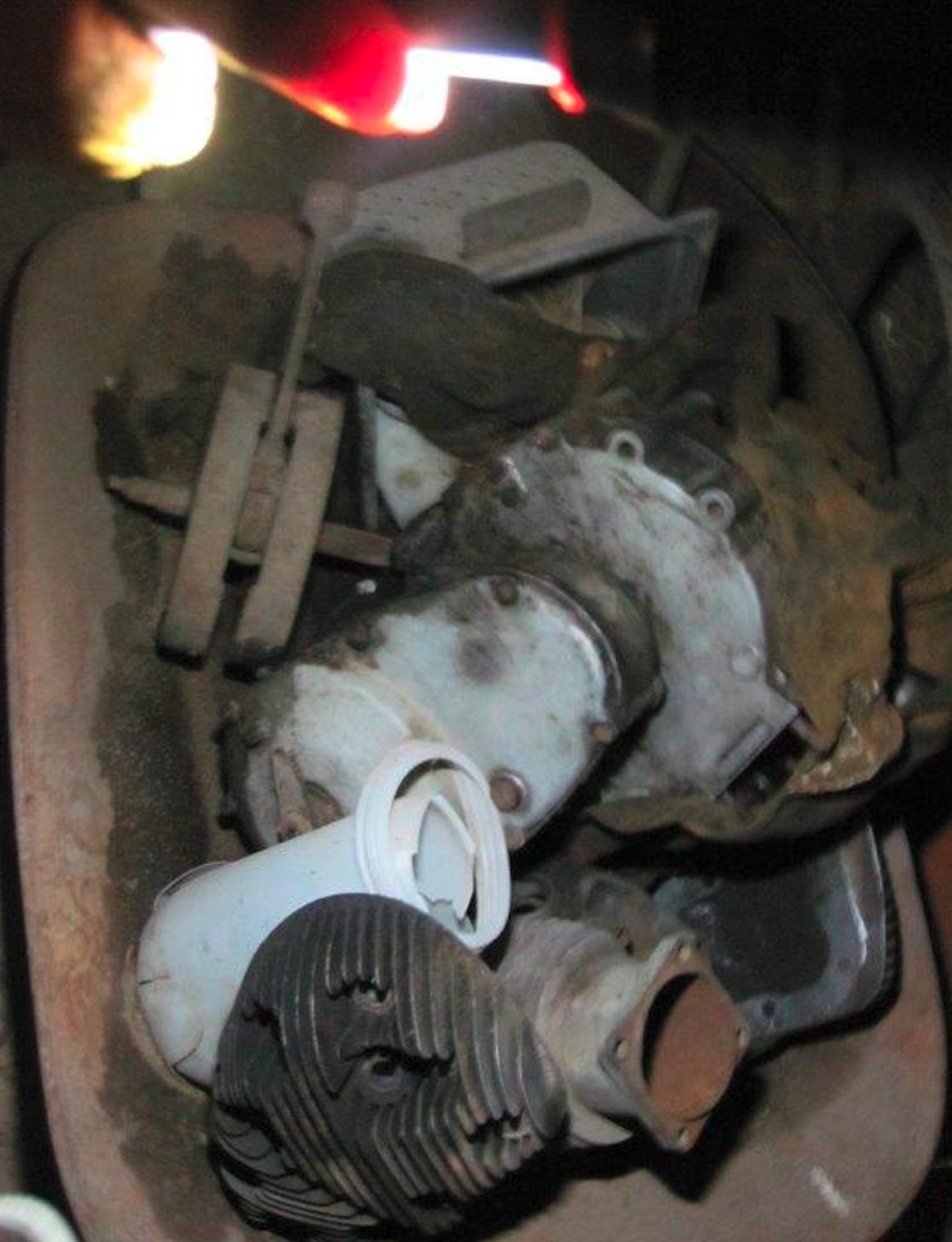
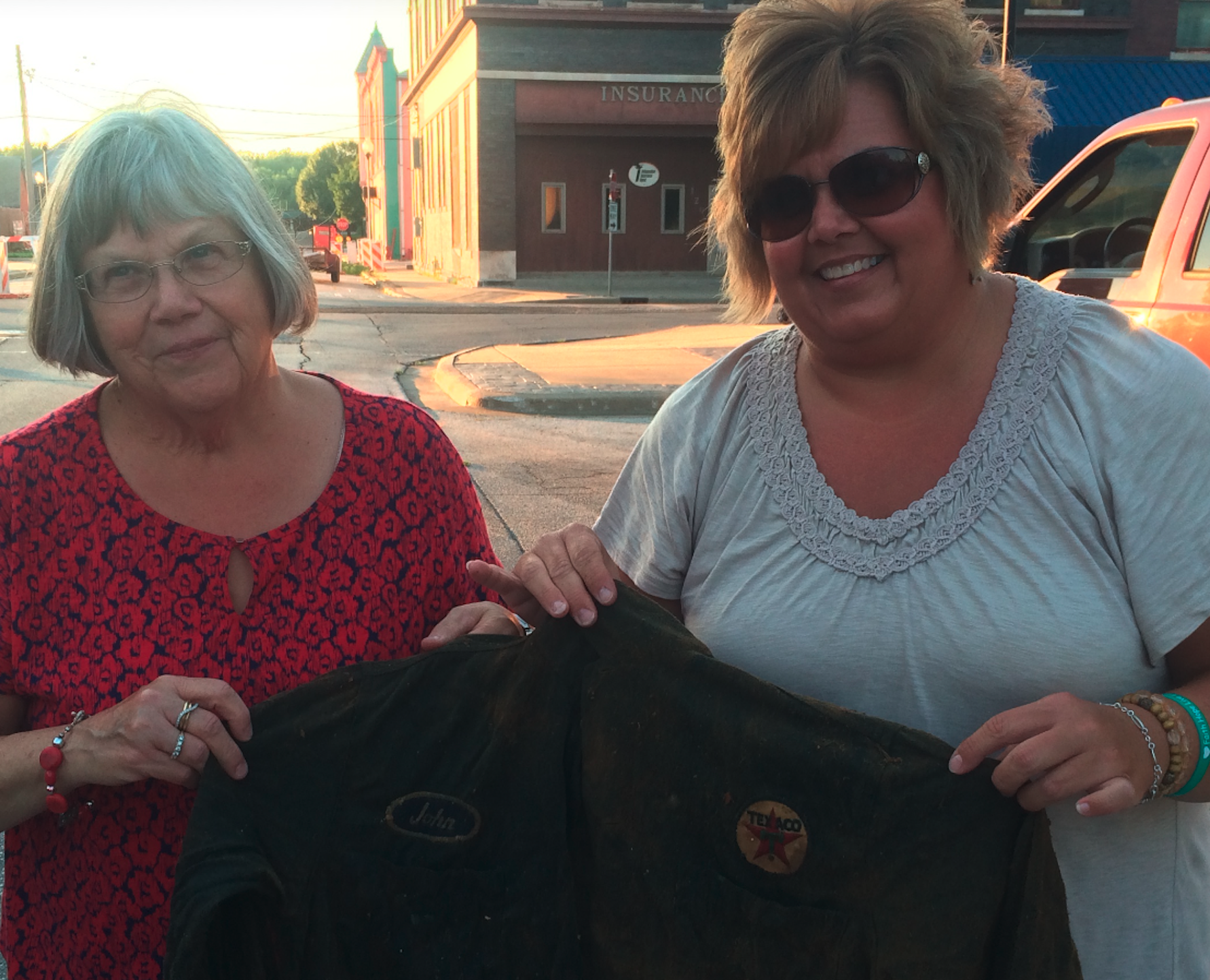
The engine had been stored separately in a basket, jugs removed, crankcase filled to the top with oil — a trick that kept the crank and rod pitting-free for over sixty years. Over the top of it sat an old rag, which turned out to be a shirt from a gas station where John had worked at nineteen years old — his name stitched on one side, the Texaco brand on the other. When Linda saw it, she asked what it was — and it went straight into a shadow box at home, alongside the family’s memory of John.
Bringing It Back
Sam sent the engine to Carl Pusser in Peoria to confirm the oil pump and fit a new piston and rings, keeping everything else original. A local Beardstown mechanic named Chisholm (AKA “Cheese”) reassembled the bike, fabricating missing wiring where needed and reusing original parts wherever they survived — which was nearly everything. When it fired up for the first time, Cheese didn’t want to be the one to ride it. That honor went to Sam — one lap around the block on original tires with flat spots, a rocker clutch that wouldn’t fully disengage, and a rear brake worn down to metal. No front brake at all. Getting it stopped meant cycling the ignition on and off. It made the loop and came home safely: the Indian’s first ride in decades.
Since then, it’s been shown locally, including a stint in a shop window with its story attached for the town to see.
The Bike Today
This isn’t a restoration in the usual sense — it’s a survivor. Original paint, original two-tone scheme (the only known example of its kind), original major components throughout, brought carefully back to a rideable state while preserving everything that makes it what it is: a machine that sat forgotten in an Illinois shed for over sixty years, and the last physical link to the story of the man who owned it, John, and the people — Sam, David, Chuck, Linda, Doug, Carl Pusser, and Chisholm — who helped bring it home.
Found, after 60 years in the dark…
That distinctive sound…